Is a Tankless Water Heater Right for Your Home?

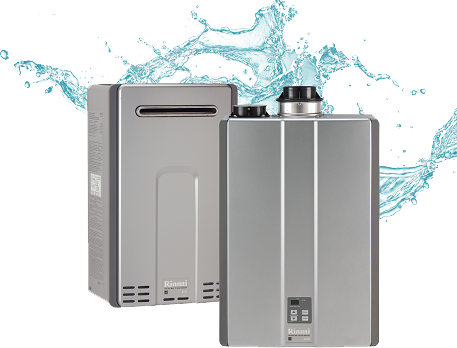
tankless-water-heating.png

A typical water heater has a useful life of approximately 15 to 20 years. Most homeowners will have to replace a hot water heater at least once or twice over the course of their time as homeowners, and some will choose to make an optional upgrade. For example, you may upgrade to a more energy-efficient model in order to save money on utilities each month. Whether your upcoming water heater replacement project is mandatory or optional on your part, you may be wondering if a tankless water heater is a great option for you.

Never Run Out of Hot Water (…Maybe)

You may have heard that you never will run out of hot water with a tankless water heater, and this is true to an extent. A tank-style hot water heater may heat a certain number of gallons of hot water, and when this water is used, cold water will flow through the tap. With a tankless hot water heater, the unit will heat water on demand, but it can only heat so much water. This means that you may be able to take a shower using hot water for hours if you like, but you may have trouble taking a shower, running the dishwasher and washing clothes all at the same time. A solution to this problem in busy homes is to use two tankless hot water heaters piggy-backed on top of each other.

Save on Energy Costs

You may have also heard that you can save money on energy costs, and there is some truth to this. Consider that with a tank-style hot water heater, you are keeping the water in the tank heated at a specific level regardless of whether you use the water or not. For example, even when you are on vacation and do not use hot water for several weeks, the hot water is still being heated in the tank. With a tankless hot water heater, the water is heated only when you need it, and there are energy savings in this.

When you wonder if this is the right model of hot water heater for your home, think about how frequently you need to feed water into multiple different appliances or features at the same time. This will help you to determine if a tank-style or tankless model is better for your needs.

What Are Some Reasons To Choose A Tankless Water Heater?

tankless-hot-water-on-demand.jpg

If you are currently in need of replacing your water heater, it is a good time to upgrade to a new type. One good type is a tankless water heater. Here are some reasons to consider choosing this among the other options available.

They Last a Long Time

One great reason to get a tankless water heater installed in your home is that they are known to last a long time. When replacing your hot water heater, you want one that is going to last for a while so you don’t have to make this decision again for quite some time. Consider the water heater an investment, so even if the tankless appliance is a little higher than other water heaters, you make up for it by not having to pay for another one for many years. As long as you keep it in good condition, it can last over a decade in many cases.

The Tankless Water Heater is smaller

A benefit you might not have considered is that a water heater without a large water tank is also going to take up a lot less space. If you already have limited space for placing the appliance in the first place, this can be an excellent benefit for you. Many water heaters are placed in the basement or garage. You might be in need of more storage in these spaces, so being able to save even a little space without a bulky water heater can make all the difference.

You Can Reduce Your Energy Costs

While the tankless water heater might cost a little more in the beginning, you will save money by having a water heater that uses less energy overall. Traditional water heaters require filling up a large tank with water, and keeping it warm so that the water is ready when you turn on the faucet. However, this is uses much more energy than is really necessary. With the tankless water heater, only the water you use after turning on a faucet is going to use up energy. You will notice that within the first few bills after having it installed, your energy and water bills have started to decrease. Not only are you saving money on your investment, but you are helping the environment and lowering your own carbon footprint.

As you can see, there are a wide range of benefits to go with a tankless water heater. Speak to a plumber if you have more questions about tankless water heaters and wonder if it is a good option or your home.

When to Consider Replacing Your HVAC System

When To Consider Replacing Your HVAC System

Is your air conditioner and heating unit on its last leg or will a good tune up do the job? You’re A/C unit is an investment. Not only because of the cost, but because of the savings it can provide. Depending on where you live, replacing your old heating and cooling equipment with newer Energy Star compliance units could cut your annual energy bill by hundreds if not thousands of dollars a year.

Let’s look at the reasons and you might consider replacing you’re A/C unit.

Consider the age of your A/C

Generally, if your equipment is more than 10 years old or not keeping your house comfortable, consider replacement unit that has a higher efficiency rating than a standard model.

You can also use the 5,000 rule many HVAC technicians use. This is done by taking the age of the equipment and multiplying it by the repair cost. If the result is more than $5,000, then consider replacing it.

For example, an 11-year-old unit that requires a $275 repair cost equals $3,025. As it is under $5k, it’s OK to repair.

The 5,000 rule

Multiply the age of the equipment by the repair cost, and if that exceeds $5,000, then replace the unit. If less, go ahead and repair it.

Is your unit unsafe?

Older furnaces can develop cracks in their heat exchangers; this allows deadly carbon monoxide (CO) to leak into your home. The older the unit, the higher the risk corrosion has caused a crack to form and release CO. A carbon monoxide detector is the only way to tell if you have a leak. They are easy to install and are not overly expensive. If you think you are at risk, have this checked immediately.

Remember that your units are just like any other electrical device; they have fuses that short out and connection points that weaken over time. You may only risk your air conditioner or heater ceasing to operate, but there is a risk of dangerous fire. Get a regular tune-up and make sure you don’t have an electrical issue developing. If you do, consider replacing your unit.

Consider the rating of the unit

Newer, Energy Star compliant units use up to 50% less energy than models not carrying that logo. Not only are Energy Star appliances more efficient and environment-friendly, but the logo is only awarded if the appliance is either priced similarly to other models or if it will recoup additional costs within a reasonable period.

In addition, the SEER rating of a unit may also indicate why you may be having issues and higher energy bills. A SEER rating is the cooling output during a typical cooling-season divided by the total electric energy input during the same period. The higher the unit’s SEER rating the more energy efficient it is.

If your rating is too low for the size area or is an older unit, you are not getting optimal performance which causes your unit to work overtime to keep you comfortable. This will cause not only temperature issues, but also increase the likelihood of multiple repairs.

A few other points to consider

  • Repair bills do add up. If your equipment needs frequent repairs and your energy bills are going up, then your cooling and heating equipment may have become less efficient. Use the 5000 rule mentioned above to evaluate not just the single repair bill, but the bills as a whole. Repairs + energy costs = your true cost of the unit.
  • If some rooms are too hot or too cold it may be due to poor equipment operation, inadequate equipment, and leaky ductwork and more can cause the air to be too dry in the winter or too humid in the summer. An inspection by a licensed HVAC company can help determine the balancing, insulation needs, duct issues or unit problems that may be causing this.
  • If your heating or cooling system is too noisy you could have an undersized duct system or a problem with the indoor coil of your cooling equipment. This does not necessarily mean you need to replace your entire unit, but does warrant an inspection.

So when is it actually time to replace?

Look for the above telltale signs that indicate it’s time to consider replacing heating and cooling equipment, or improving the performance of your overall system. Use the formula above and call Same Day to help you make a change.

And, don’t forget to have a contractor do an annual pre-season check-up on your system in the spring and fall to keep your system at peak performance and prevent future problems.
Are You Contributing To Your Own Plumbing Disasters?

Same

There are so many things that we do to with little thought to how it will affect our plumbing system… until that dreaded day when your pipes burst and your toilet overflows and your shower refuses to drain properly. What a nightmare!

Are you doing any of these?

Using Commercial Drain Cleaners – This seems like the go-to fix when your drains are clogged but it can do way more harm than good. The chemicals that make up the drain cleaner actually erode your pipes, leading to much worse damage down the line.

Mixing Metal Pipes – When two different metals are used in the plumbing of your house, chemicals reactions can cause the pipes to corrode. This is usually the result of an inexperienced plumber or DIYer taking on plumbing repairs.

Using Your Toilet as a Disposal – Your toilet is meant for one use and one use only. Flushing anything but the obvious can result in a flood!

Abusing Your Disposal – One of the biggest problems with a garbage disposal is that people think it’s an all-powerful waste-chopping machine of wonderment. Unfortunately, it doesn’t take a whole lot to break one. Grease should NEVER be dumped in your disposal and hard food items like popcorn kernels should be avoided as well!

DIY Repair Fails – Plumbing repairs aren’t as simple as tightening joints or popping in a new pipe. It takes proper training and lots of know-how to be able to adequately complete repairs. The best course of action is to call your local plumbing professional (that’s us!) for help.

Contact us online or call us at (888) 937-3350.

Key Considerations to Assure Safe and Reliable Water

water filters

What to learn from the toxic Water Crisis in Flint, Michigan and Merrimack, New Hampshire

The Flint Water Crisis, and the more recent, Water Contamination Issue in Merrimack, are eye-openers to the alarming situation on availability of safe drinking water for the residents of not just Michigan and New Hampshire but entire United States of America. Ironically, Flint lies close to the Great Lakes, the largest group of fresh water bodies in the world. Yet residents can’t get clean water from their taps in homes. The lead contamination in Flint and Merrimack waters has created a serious public health hazard. The lead from the corrosive and aging pipes leached into Flint River and its concentration elevated to extremely dangerous levels. If Flint River would have been treated with an anti-corrosive agent at a cost of about $100 a day, then 90% of the water crisis could have been avoided and water made potable.

Merrimack Village District, the company that supplies public water to households in Merrimack, should consider installing point-of-entry filtration systems on all private wells near the Merrimack plant that are detecting elevated levels of contamination. Saint-Gobain should also pay for the design, installation and operation of a treatment system for district wells.

Some experts believe that the landfills are likely sources of contamination in public wells in Merrimack and Flint. Health Board members are now turning a critical eye to two closed landfills on Flint Road. Landfills causing well contamination are a cause for concern and efforts should be initiated to ensure that residents have an adequate supply of safe, clean drinking water.

For some residents, using bottled water for drinking and cooking has become burdensome, prompting them to take some measures on their own. Many have decided to have a whole house point-of-entry filter installed to their homes, an environmentally friendly alternative that is well worth the investment.

What does this mean for you?

Whether you have been affected by a water crisis or not, it is important to be educated on the hazards and risks of toxic water and smaller occurrences like pollution and chemicals that can be found in tap water. Ensuring your household has pure and clean water is essential to your health. Although homeowners alone can’t prevent water pollution, it is critical to do your part to ensure reliable water throughout the home.

Measures residents should take to assure reliable water

  • If your household drinks tap water, have the water tested regularly to be confident the water is safe and drinkable
  • Install a whole house point-of-entry filtration system as a permanent substitute for environmentally-unfriendly bottled water and to have reliable water supply throughout the home not just for drinking but for bathing, cleaning, and washing clothes
  • Make sure to be proactive about replacing filters as needed
  • Engage Same Day Plumbing representatives to assess and test if water filtration system is working effectively throughout the home or not

In the case that your community is affected by a water crisis, there are several measures that various stakeholders can undertake to overcome toxic water crisis in their localities.

Government & Local Authorities:

  • Should immediately apply anti-corrosive agents to all water bodies that have been lead contaminated and lead pipe replacements
  • Provide supplies, medical care, infrastructure upgrades, and water bill reimbursements
  • Issue bottled water to affected residents only for the short-term, and hand out water filters to them for long-term use
  • Offer blood tests to individuals impacted by the water contamination
  • Undertake periodic water toxicity studies by collect and processing samples to look for the presence of Legionella bacteria in water heaters, kitchen and bathroom taps and hot water taps of homes of residents. Also determine if a simple water heater flushing protocol could be used to improve hot water quality.
  • Install its own filtration system for all of its supply wells
  • Undertake frequent public health awareness programs to educate residents on health hazards of toxic water usage, and how to resolve the issue

Companies:

  • The companies responsible for water contamination should assume accountability and pay for the design, installation and operation of a treatment system to address contamination in water bodies
  • Treat the public water supply
  • Channelize spending on Corporate Social Responsibility (CSR) initiatives that are environment focused

For more information on water treatment solutions for your home, Contact Us.

15 Ways to Cut Heating Costs This Winter

38305075_s

Household heating systems use more energy and costs more than any other system in your home. The U.S. Department of Energy states that heating comprises about 42% of the average utility bill of a household. A heating system that operates at peak efficiency will ensure saving money on energy costs.

Irrespective of the kind of heating system you have in your house, you can save about 30% on your utility bill, increase family comfort, and reduce environmental emissions by properly maintaining and upgrading your HVAC unit along with recommended insulation, thermostat settings, and air sealing.

15 Unbeatable Energy Saving Tips

Here are a few simple steps homeowners can take to cut heating costs and lower your heating bill:

  1. Clean or change the air filter every month or as recommended.
  2. Use a programmable thermostat. It can save up to 10 percent on energy bills by setting the temperature seven or eight degrees lower than the normal temperature setting. The U.S. Department of Energy recommends a setting of 68 degrees — for eight hours a day, either during working days or at night.
  3. Insulate your home exterior walls, crawl spaces, and ceilings using insulation at recommended levels for thickness and R-factor (effectiveness) to reduce heating costs by 40% or more.
  4. Seal air leaks and heat escapes from hard-to-see places like foundation, attic, and air ducts in your house
  5. Clean warm-air registers, baseboard heaters, and radiators as needed; make sure furniture, carpet, or drapes don’t block them.
  6. Release trapped air from hot-water radiators once or twice a year
  7. Place heat-resistant radiator reflectors between exterior walls and the radiators.
  8. Install or replace exhaust fans with high efficiency, low noise models. Switch off kitchen, bath and other exhaust fans within 20 minutes of use.
  9. During winter, keep the draperies and shades on your south-facing windows open during the day to allow sunlight to come into your home and closed at night to restrict chill from cold windows.
  10. Cover drafty windows with a heavy-duty, clear plastic sheet on a frame or tape clear plastic film tightly to the inside of your window frames during winter months to help reduce infiltration. Install tight-fitting, insulating drapes or shades on windows that feel drafty after weatherizing.
  11. Keep your fireplace damper closed when fire is not burning so that it doesn’t allow warm air to escape from the chimney. If you never use your fireplace, plug and seal the chimney flue.
  12. Water heating accounts for about 18% of the energy consumed in your home. Turn down the temperature of your water heater to warm setting of 120°F. When replacing water heaters, install indirect water heaters and on-demand hot water systems that can save money while providing an endless hot water supply.
  13. Install outdoor reset controls and sensors for boilers to run efficiently with less fuel save up to 10% on your heating costs
  14. Install additional outer storm doors that act as first defense against wind, and create trapped air between the doors. This becomes an effective “dead air” insulation barrier.
  15. Plant evergreen trees and shrubs on the north and northwest of your home to block winter winds and reduce wind chill and create insulating dead air space.

Heating System Checks Save You Money

Handy homeowners may be able to apply some of the tips recommended above. However, in order to achieve optimal efficiency, it is prudent to get your heating system checked by a professional technician to identify any potential repairs needed.

Only an efficient furnace will not make huge impact in lowering your energy bills. A whole-house system approach needs to be adopted to optimize home energy efficiency.

Learn how a Same Day Service technician can help you save energy costs by integrating the efficiency of your heating system with the entire house components. For more information, Contact Us or call us to schedule a service today at: 1-888-937-3350.

Never Go Without Hot Water Again

32551175_s

Traditional or standard water heaters come with an in-built water tank that is constantly filled and heated at a set temperature before every use. It takes considerable amount of time to heat water and at times you may get stuck waiting for it to be ready for use.

Instant water heaters are tankless but have a set of coils or a heat exchanger that gets activated immediately when the unit is turned on. The water gets heated rapidly as it passes through the hot coils and you have all the hot water you need available instantly!

If your standard hot water heater is getting old or needs repairs, consider replacing the unit with a tankless hot water heater. Instant water systems make complete sense for homeowners for several reasons, especially for vacation or second homes.

8 Reasons to Upgrade to a Tankless Water Heater

  1. Conservation of Energy: Tankless water heaters conserve energy by only heating the amount of water needed at the time. You won’t waste energy heating water when it’s not needed.
  2. Lower Utility Bills: Utility bills get reduced immediately and over the years because instant hot water heaters operate more efficiently, heating only the required amount of water when needed. Additionally, tankless water heating systems can be turned off when the appliance is not in use, to save money. Moreover, tankless systems eliminate heat losses.
  3. Unlimited, On-demand Hot Water Supply: Say No to long waits! Instant water heaters provide hot water immediately, without having to wait for water to get heated, as in the case of conventional water heaters.
  4. Better Quality Hot Water: When you’re not using your standard water heater, the water that stays in the tank for longer duration can gather rust, scale and lead which make the water impure and lower its quality. Such degradation is totally avoided in tankless systems.
  5. More durable & Long Lasting: Instant water heaters do not have a tank and this means lesser need for repairs or leakages. Moreover, these systems can last up to two times longer than a standard water heater.
  6. Protection of your property: Tankless water heater installed in your vacation or second home helps avoid the risk of any hazards, mishaps or flooding from water heater leakages while you’re not there and saves your house property from getting damaged. With the traditional water heaters, there is always the risk of leaking, or rupturing which may cause significant water damage. With a tankless system, there is much less chance of water damage occurring.
  7. Lesser Use of Space: Tankless water heaters have a compact size that utilizes much lesser space than conventional hot water heaters. They are wall mountable, either inside or outside of your home.
  8. Environment friendly: Tankless heating systems provide on-demand hot water instantly without having to waste or run down cold water that runs through the pipeline before hot water reaches the faucets and showers.

Our experts at Same Day Service Plumbing, Heating & Air can help you choose the right unit and provide suitable solutions to help you save energy and money. We are experts in installing, inspecting, servicing, repairing, and replacing all makes and models of hot water heaters. Contact us today to schedule an inspection.

Locate Minor Leaks Now to Avoid Major Repairs

69612842_s

A dripping fixture can do a lot more than keep you up at night. If water pools below a sink, you can end up with serious damage and hefty repair charges. Bathtub fixtures can also leak behind walls, which can increase the risk of toxic mold. These hidden leaks and drips may not present any noticeable warning signs until the problem worsens. That’s why it’s important to regularly schedule maintenance for your plumbing fixtures and do your part to look for water stains on floors and ceilings to catch unseen leaks early.

Preventing Problems

Just about every plumbing fixture will need maintenance at some point; however, some leaks are unrelated to natural wear. It’s important to remember that plumbing fixtures are not designed to hold weight. For instance, a bathtub spigot should not be used as a footrest and outside faucets shouldn’t be used to hold rolled-up garden hoses. Likewise, shower heads shouldn’t be used to hold caddies filled with heavy bath products. Over-tightening can also lead to dripping faucets, while possibly causing extensive damage to the faucet seat and stem.

Should I Repair the Fixture Myself?

While it is possible for an inexperienced do-it-yourselfer to repair a leaky faucet, there are some risks. First, with four types of faucets: compression, ceramic disk, cartridge (sleeve) and ball type, repair procedures can be complicated. In some cases, the fixture may only require a simple O-ring. In other cases, it may require more complex repairs. If the leak is not properly diagnosed and repaired, it’s not uncommon for inexperienced do-it-yourselfers to turn a simple leaky fixture into a major plumbing problem that could’ve been avoided. For this reason, it’s generally best to leave these plumbing issues to our trusted Same Day Service plumbing technicians.

When a plumbing problem arises, you need a reliable company to repair it fast. Same Day Service Plumbing, Heating & Air has three decades of experience providing plumbing services including fixture repair in homes and businesses. We are available seven days a week. Call us today at 888-937-3350 or request an appointment.

15 Proven DIY Tips to Winterize Your Home and Maintain Your Heating System

62931240_s

Most annual maintenance and heating system checks should be performed only by a qualified service technician from a professional company like Same Day Plumbing, Heating and Air. However, there are some things that you can do yourself, in addition to the professional service, to assure optimal performance of your heating system and prepare your home for the Winter season. Here are 15 tips:

  1. Ensure all ground mounted outdoor units are clear of restrictions like debris, clutter and weeds
  2. Keep pets away from the unit; pet urine can cause expensive damage
  3. Keep furnaces, chimneys and vents free of any obstruction. Watch out for birds, squirrels and other animals that tend to build nests in these areas.
  4. Install a carbon monoxide detector. Also, periodically open windows in winter to let fresh oxygen-rich air inside and let out any potential carbon monoxide.
  5. Do a self inspection of your home exterior to identify any cracks or gaps. Check for any air leaks or missing weather-stripping around your windows and doors and caulk those areas.
  6. Cover all the water pipes that run through your home with foam pipe insulation. This will make your home heating system more efficient and reduce chances of pipes freezing and bursting
  7. Wrap up your hot water cylinder and water tanks in roof cavity with warm insulation jackets to increase efficiency and put less stress on your boiler when the temperature dips.
  8. Keep your boiler on a low temperature continuously, even when you are away on a holiday or on weekends, to keep pipes warm enough and prevent freezing or pipe bursting.
  9. Inspect and vacuum clean air registers or baseboard radiators and keep them free of blockages like carpets or furniture to improve heat transfer.
  10. Power flush your radiators to remove build-up of black sludge and dirt in your old central heating system
  11. Check and ensure that the furnace, breakers and disconnects are turned on and running properly
  12. Set the boiler thermostat correctly depending on the time of year and your personal preference. The average temperature setting for the winter, it is 68°-72°.
  13. Inspect, clean, or change air filter once a month in your furnace and/or heat pump
  14. Keep your heating system lifespan guidelines in mind! The average lifetime of a furnace or a boiler is 15-20 yrs.
  15. Be vigilant and look for warning signs for potential problems. Warning signs include:
    • Noises like crashing or banging with your furnace or strange smells
    • Insufficient heating in all areas of your home
    • More than usual longer time to heat up or cool down
    • Rising utility bills

Our Same Day Service Heating System Check Technicians realize our handy homeowners may take matters into their own hands to try and cut costs. By doing your part to maintain your heating system, this will help save you prevent potential warning signals that require servicing.

However, for those warning signals that require a professional, we guarantee all work to be fixed right the first time or work until you’re satisfied at the most reasonable price. If you are experiencing issues as you work through the Do-It-Yourself checklist, and fear there may be a problem with your heating system, seek the knowledge and expertise of our experienced and professional heating system service technicians. Don’t wait! The longer you delay, the worse any underlying problems will get.

Contact Us to schedule a service to winterize your home: 1-888-937-3350.